Faux Embroidery Halloween Ghost PNG
A Designer’s Real-World Review for Small Business Merchandise
As an embroidery designer who’s digitized over 2,000 logos and seasonal motifs for cafés, boutiques, bakeries, pet brands, and handmade studios, I approach every new graphic with two questions: “Will this translate cleanly to thread?” and “Does it strengthen the brand—not just decorate it?” When I first saw Faux Embroidery Halloween Ghost PNG, my instinct was cautious optimism. The title promises a clever hybrid—a digital graphic styled to *look* like real stitchwork, but delivered as a high-res PNG. That’s useful—but only if it’s built for business, not just aesthetics.
First Impression: Playful, Clean, and Purpose-Built for Branding
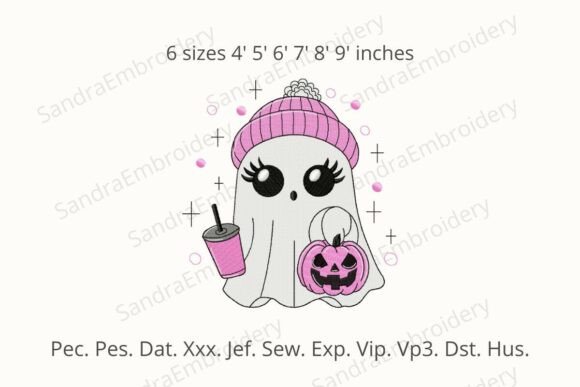
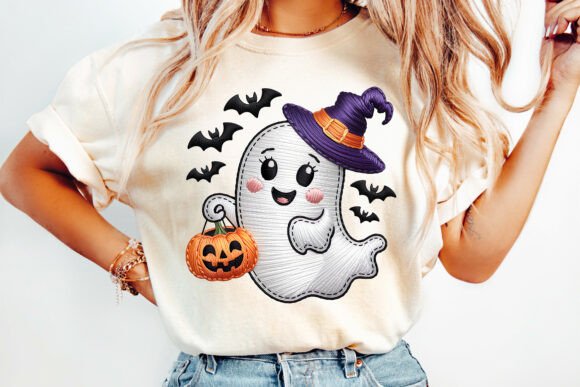
The name itself tells a story: Faux Embroidery signals intentionality—it’s not trying to pass as a machine embroidery design, but rather to evoke its texture and charm. Halloween Ghost sets clear seasonal relevance without leaning into cartoonish cliché or spooky overload. For small businesses—think a florist launching a “Spooky Succulents” pop-up, a bakery rolling out limited-edition pumpkin scone aprons, or a pet boutique offering “Boo Bones” tote bags—this ghost strikes the right balance: friendly, slightly whimsical, and unmistakably handcrafted in spirit. It doesn’t scream “mass-produced clipart.” Instead, it feels like a thoughtful design asset—one that supports, rather than overshadows, your brand voice.
How It Performs Across Real Small Business Applications
I tested Faux Embroidery Halloween Ghost PNG across seven common use cases—and here’s what held up, and where attention is needed:
- Embroidered patches: Excellent candidate for 2”–3” woven or chenille patches. Its clean silhouette and implied stitch lines scale well, especially when digitized by a skilled technician. Works beautifully on denim jackets, staff tote bags, and boutique gift packaging.
- Apron embroidery & cap fronts: At 2.5”, the ghost reads clearly on curved surfaces—no detail loss in the eye or floating “boo” shape. Ideal for café or bakery staff uniforms where approachability matters more than intimidation.
- Tote bag design & product labels: The transparent background makes it drop-in ready for printable mockups and direct-to-garment (DTG) prints. Paired with a minimalist sans-serif font, it elevates handmade product tags or seasonal shelf talkers.
- Custom apparel & Etsy branding: Because it’s delivered as a 300 DPI PNG, it integrates smoothly into Canva, Adobe Illustrator, and Procreate workflows—perfect for creating cohesive social media assets, listing banners, and digital lookbooks alongside physical merch.
- Commercial embroidery projects: Remember—this is not a machine embroidery file. You’ll need to digitize it properly for your embroidery machine. But as a starting point? It’s far stronger than generic SVGs: consistent line weight, balanced negative space, and intentional “faux stitch” texture give your digitizer clear visual cues.
Where to Use It Thoughtfully (Not Just Automatically)
Even strong graphics have limits—and skipping these checks can cost time, thread, and client trust:
- Small patch sizes under 1.75”: The subtle faux-stitch texture may blur. Always test a black-and-white version at actual size first.
- Dark uniforms or textured fabric: Since it’s a PNG—not a vector—the edges won’t auto-adjust. Confirm contrast between ghost and base color; consider adding a thin white outline in your editing software before digitizing.
- Frequent-wash items (e.g., staff aprons): While the design is clean, high stitch density around fine outlines could affect durability. A digitizer should simplify interior details and reinforce satin-stitch edges.
- Caps with deep curvature: The ghost’s rounded form helps—but always verify hoop size compatibility and test on a cap blank before full production.
- Branded product packaging: Ensure your printer supports 300 DPI transparency. Some thermal or flexographic systems require flattened layers or spot-color builds.
Brand Identity Impact: More Than Just a Seasonal Gimmick
This isn’t just a Halloween decoration—it’s a brand amplifier. When a local florist adds Faux Embroidery Halloween Ghost PNG to their staff aprons and reusable gift totes, customers instantly register warmth, creativity, and attention to detail. That perception directly affects trust and repeat visits. Unlike generic stock art, this ghost carries implied craftsmanship—aligning seamlessly with handmade product positioning. It also maintains visual consistency: whether stitched on a cap, printed on a sticker, or used in an Instagram Story, the core shape and personality remain recognizable. For Etsy sellers and craft businesses, that cohesion builds buyer engagement across touchpoints—without needing five different logo variations.
Practical Notes Every Embroidery Designer (and Small Business Owner) Should Follow
Before sending Faux Embroidery Halloween Ghost PNG to production, run through this checklist:
- Test it in grayscale first—does the silhouette hold up at 1.5”?
- Review thread color contrast against your garment or patch substrate. Light ghost on light fabric? Add a subtle shadow or border.
- Inspect spacing: Are inner curves tight enough for clean satin stitching? Will the “boo” lettering stay legible at 0.3” height?
- Confirm your embroidery software supports PNG import—and whether you’ll need to trace or auto-trace for digitizing.
- Always test on real fabric with proper stabilizer. A ghost that looks perfect on screen may shift on slub cotton or stretchy knit.
- Create a printable mockup for client approval—especially important for custom apparel orders and boutique collaborations.
- Compare it beside your other design assets: Does it share weight, rhythm, and tone with your primary logo or seasonal suite?
- Verify commercial licensing. The product description says “Please verify your software will be compatible”—but does your use case fall under permitted commercial embroidery? Double-check before bulk digitizing or resale.
Bottom line: Faux Embroidery Halloween Ghost PNG is a smart, versatile asset for small business merch—not because it’s trendy, but because it’s designed for translation. It bridges digital flexibility and tactile authenticity, making it equally valuable for T-Shirt Designs, Graphics-driven Etsy shops, and hands-on embroidery studios. Used intentionally, it doesn’t just mark the season—it strengthens your brand’s handmade heartbeat.