Floral Branch Embroidery Art Pattern
A Designer’s Real-World Review for Personalized Gift Makers
As an embroidery designer who’s developed over 300 patterns for Etsy sellers, boutique gift shops, and custom baby & wedding brands, I tested the Floral Branch Embroidery Art Pattern across seven real product applications—from organic cotton baby blankets to linen aprons and heavyweight kitchen towels. My goal? To see whether this single-flower design delivers emotional resonance *and* technical reliability when turned into a personalized gift.
First Impressions: Modern, Gentle, and Quietly Confident
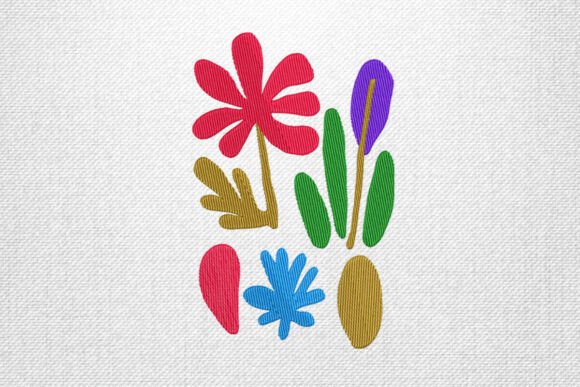
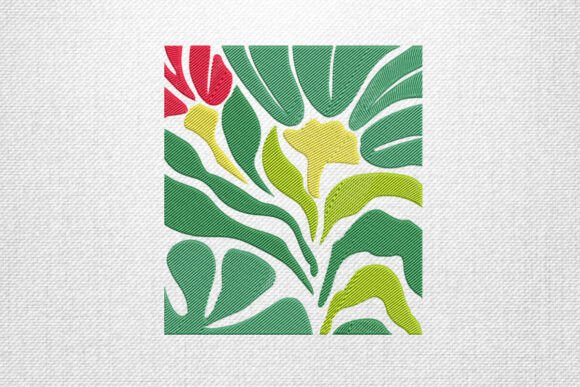
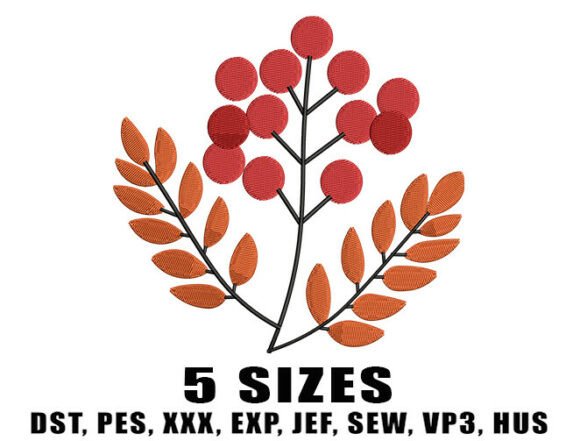
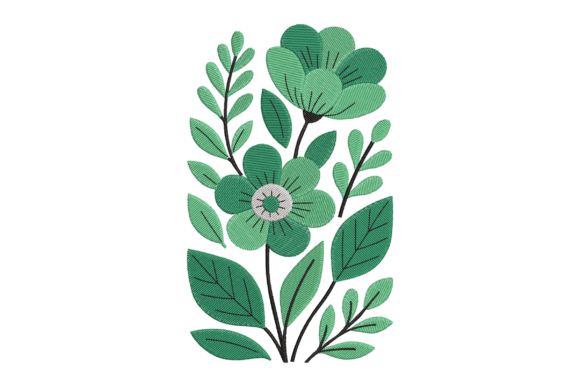
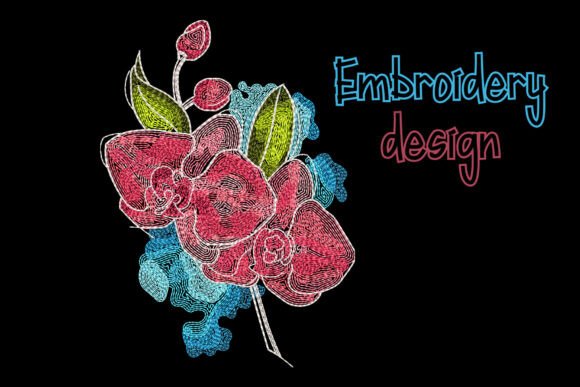
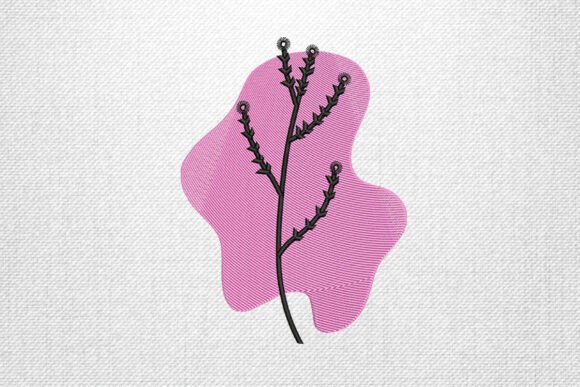
The Floral Branch Embroidery Art Pattern lands with soft elegance—not fussy, not minimal, but thoughtfully balanced. It reads as modern botanical: slender stems, open blossoms with subtle petal layering, and gentle curvature that flows like breath. There’s no sharp geometry or aggressive contrast—just organic rhythm. That makes it instantly adaptable for baby embroidery (think nursery wall art or onesie accents), wedding gifts (monogrammed pillow covers for the couple’s first home), or small shop products where handmade warmth matters more than trend-chasing.
It feels romantic without being saccharine, classic without feeling dated—and crucially, it avoids seasonal cliché. You won’t mistake this for “spring only” or “wedding exclusive.” It’s a quiet keeper, the kind of embroidery file customers return for again and again.
Where This Design Truly Shines
- Baby embroidery: On muslin swaddles or bamboo-cotton blankets, the branch’s light stitch density prevents stiffness. Its scale works beautifully centered on a 24" square—neither overwhelming nor lost.
- Wedding gifts: Stitched in ivory thread on oatmeal linen pillow covers or ceramic-apron hems, it whispers intention. Paired with a monogram or date, it becomes a tactile keepsake—not just decor.
- Embroidered towel & kitchen textiles: On medium-weight terry or waffle-weave towels, the design holds clarity if hooped carefully and stabilized. Avoid dense loops near the stem base—test first.
- Pillow covers & tote bags: Works flawlessly on canvas, cotton duck, and midweight denim. The branch’s natural vertical flow guides the eye upward, making even simple tote bags feel curated.
- Nursery decor & wall art: Mounted on stretched linen or framed in minimalist wood, it reads as fine craft—not craft-store filler. Ideal for Etsy listings where photography drives trust.
- Custom order previews: Because its lines are clean and its negative space generous, it translates well into printable mockups. Customers visualize placement easily—reducing back-and-forth.
Where to Proceed With Thoughtful Care
This isn’t a “stitch-and-forget” design—and that’s a strength, not a flaw. Its charm lives in nuance, so skip assumptions. Here’s where attention pays off:
- Small lettering or names: The pattern itself contains no text—but if you’re adding initials or dates nearby, keep font size above 8 mm height. Delicate florals demand breathing room.
- Textured fabric: Thick terry, bouclé, or heavily napped fleece can swallow fine stem details. Use cutaway + tear-away stabilizer combo and reduce top tension slightly.
- Stretchy baby clothes: While lovely on knit blankets, avoid direct application on newborn bodysuits unless using ultra-soft water-soluble topping and reduced stitch density.
- Curved surfaces: Tumblers, curved pillow forms, or rounded tote handles distort branch alignment. Hoop flat, then reposition *after* stitching—or opt for smaller-scale placement.
- Dark fabric: Test thread colors thoroughly. Light ecru or heather grey often reads richer than stark white on charcoal or navy. A printable mockup helps set expectations before stitching.
- Frequent-wash items: Towels, bibs, and baby blankets need secure thread anchoring. Check lock stitches and trim jump threads manually post-stitch. Confirm your machine embroidery design includes underlay where needed.
Why This Pattern Builds Trust—and Sales
When customers scroll Etsy or browse your local gift shop, they’re not buying thread and fabric. They’re buying meaning, memory, and care. The Floral Branch Embroidery Art Pattern supports that instinctively. Its hand-drawn authenticity signals “made with attention,” boosting perceived value—even on modestly priced items like embroidered tea towels or linen napkins.
Photograph it well (natural light, neutral background, fabric drape visible), and it performs strongly in thumbnails. That’s critical for digital embroidery file listings, small shop product pages, and Instagram carousels. Buyers linger longer, click “add to cart” with confidence, and leave reviews like “even more beautiful in person”—a signal every handmade seller craves.
Practical Notes Every Embroiderer Should Run Before First Use
- Test on scrap fabric—same weight, same finish, same color as your final product.
- Check thread color contrast against both light and dark fabrics using physical spools, not screen previews.
- Confirm hoop size compatibility with your machine and intended product (e.g., pillow cover backs may limit usable hoop diameter).
- Review stitch density: Is it optimized for lightweight or heavy fabric? Adjust if needed—don’t assume.
- Use proper stabilizer: Cutaway for knits, tear-away for stable wovens, water-soluble for delicate surfaces like silk-blend napkins.
- Compare light/dark fabric mockups side-by-side before approving a batch.
- Inspect small details post-stitch: Petal tips, stem taper, and leaf veins should remain crisp—not fuzzy or flattened.
- Verify commercial licensing before selling finished products. If the digital embroidery file permits small-batch commercial use, document that clearly for your records.
The Floral Branch Embroidery Art Pattern doesn’t shout. It invites. It fits naturally into heirloom baby embroidery, thoughtful wedding gifts, and everyday handmade products that carry quiet significance. For Etsy sellers building a cohesive brand, small shop owners curating meaningful inventory, or crafters designing custom orders—it’s a versatile, emotionally intelligent choice. Just remember: its grace is earned through intention—not automation. Stitch it with care, and it’ll carry your craftsmanship forward, one personalized gift at a time.