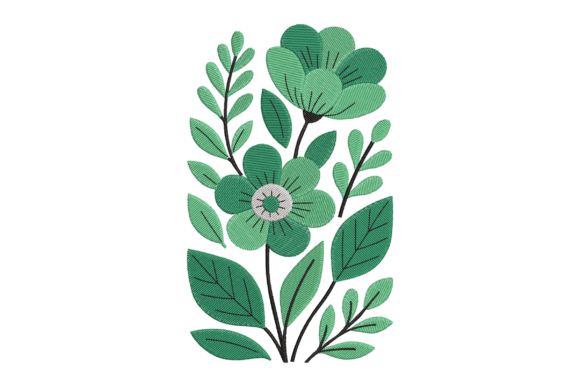
Green Floral Embroidery Design
A Designer’s First Look: Graceful, Not Fussy
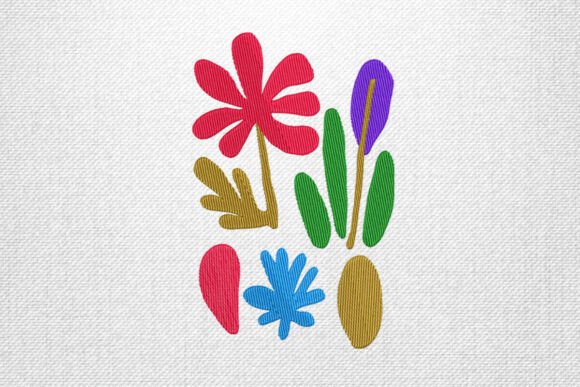
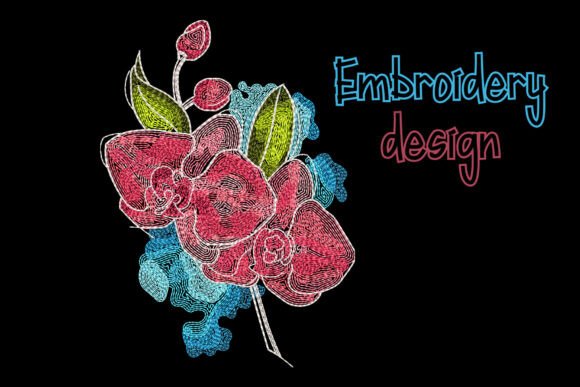
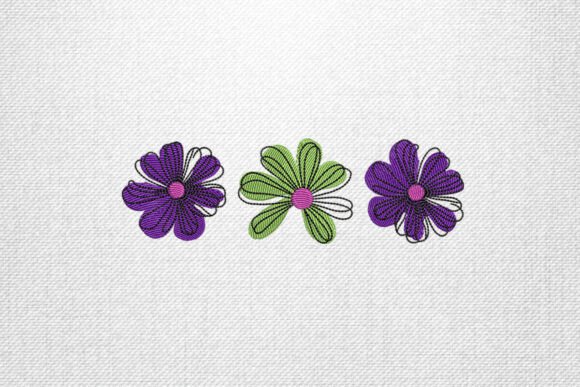
When I opened Green Floral Embroidery Design, what struck me first wasn’t its detail—but its quiet confidence. This isn’t a loud, oversized bloom screaming for attention. It’s a single, balanced floral motif with soft curves, gentle layering, and breathing room between petals and leaves. The “green” in the title isn’t just thematic—it’s tonal. Think sage, olive, and muted forest tones that suggest natural dye palettes and earthy handmade appeal. As a designer who regularly selects embroidery files for client projects and small-batch production, I immediately pictured it on an organic cotton tote bag—centered, uncluttered, stitched in matte cotton thread—and knew it would read as intentional, not decorative filler.
Where It Shines: Real Projects, Real Customers
I recently used Green Floral Embroidery Design to finish a set of linen aprons for a local kitchen boutique. The result? Customers paused mid-aisle—not because the design was flashy, but because it felt *considered*. That’s the power of a well-executed single-flower motif: it elevates without overwhelming. Here’s where it consistently delivers:
- Custom apparel: Works beautifully on lightweight sweatshirts and structured tees—especially when placed subtly on the chest or sleeve cuff.
- Tote bag design: Stitches cleanly across seams and handles; the moderate scale (neither too dainty nor too dominant) keeps branding elegant, not craft-fair-cute.
- Baby embroidery: Soft edges and open negative space mean no scratchy satin-stitch buildup—ideal for onesies and burp cloths where comfort is non-negotiable.
- Holiday embroidery & wedding gifts: Paired with ivory thread on oatmeal linen, it reads as heirloom-ready—not seasonal, but timeless.
- Etsy seller & small shop product: Photographs well in natural light, scales nicely in printable mockups, and feels premium enough to justify a $28–$36 price point on finished goods.
Where to Pause—and Test First
Like any strong machine embroidery design, Green Floral Embroidery Design rewards thoughtful execution—not just automatic hooping. I’ve seen this file misfire on three common fronts:
- Textured or napped fabrics: On terry cloth towels or fleece-lined caps, fine leaf veins can blur. Use medium-weight cutaway stabilizer and reduce top tension slightly—then test on scrap before committing.
- Dark fabric backgrounds: Because the design relies on subtle dimension rather than high-contrast outlines, stitching it in black thread on navy twill can mute its depth. Try charcoal gray or deep moss green instead—and always preview in grayscale mockups.
- Curved surfaces: While it adapts well to flat panels, avoid placing it near the crown seam of baseball caps unless you’re using a cap frame. Petal tips tend to pucker slightly on tight curves without precise digitizing adjustments.
What It Adds to Your Finished Product—Beyond Aesthetics
This isn’t just about how Green Floral Embroidery Design looks—it’s about how your customers *feel* holding the finished product. When stitched cleanly, it signals care: careful thread selection, appropriate stitch density, respect for fabric integrity. That translates directly to perceived value. A customer receiving a personalized gift with this motif doesn’t see “just a flower”—they register craftsmanship, intentionality, and brand consistency. For Etsy sellers, that builds trust faster than five-star reviews. For boutique owners, it supports cohesive visual storytelling across pillows, tea towels, and aprons—all anchored by the same botanical voice.
Designer Notes You’ll Actually Use
Before running Green Floral Embroidery Design on your next project, here’s my checklist—refined from 12 years of commercial embroidery work:
- Always test on scrap fabric—same fiber content and weight as your final piece. Watch how fill stitches settle into the weave.
- Review stitch density in your embroidery software. If the center petal feels overly dense, consider reducing underlay or adjusting pull compensation.
- Confirm hoop size compatibility. This design fits comfortably in a 4x4 hoop, but double-check if you’re planning to resize—some delicate stems may pixelate below 85%.
- Inspect small details at 200% zoom: Are leaf tips sharp? Do stem transitions flow—or do they jump? These subtleties define professional polish.
- Test thread colors across light/dark backgrounds. What reads as “soft green” on ecru may vanish on charcoal unless you adjust hue or saturation.
- Use proper stabilizer: Medium cutaway for knits, tear-away for stable wovens, and fusible + tear-away for lightweight linens.
- Verify licensing before selling finished items or bundling this as part of a digital embroidery file pack. Commercial use rights aren’t implied—check the seller’s terms.
Final Thought: A Quiet Anchor for Your Creative Work
Green Floral Embroidery Design won’t shout—but it will hold space. In a market saturated with busy motifs and over-digitized florals, its restraint is its strength. It belongs on pieces meant to be touched, used, gifted, and kept. Whether you’re building a craft business, launching a boutique line, or hand-stitching a baby blanket for a friend, this design earns its place—not as decoration, but as a considered element of your handmade product’s voice. And in embroidery, that kind of quiet confidence? That’s what keeps customers coming back.