Halloween Spider Bat Embroidery Designs
First Impression: Playful, Spooky, and Instantly Seasonal
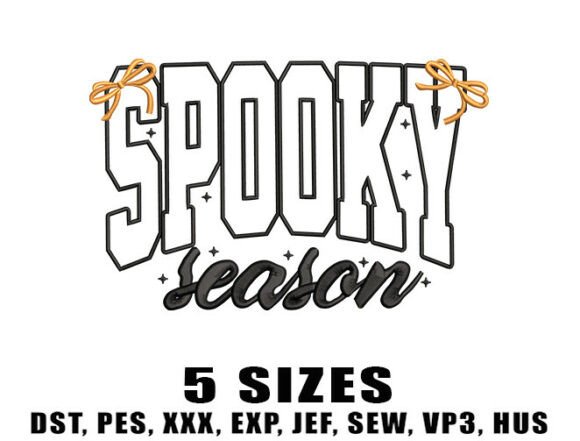
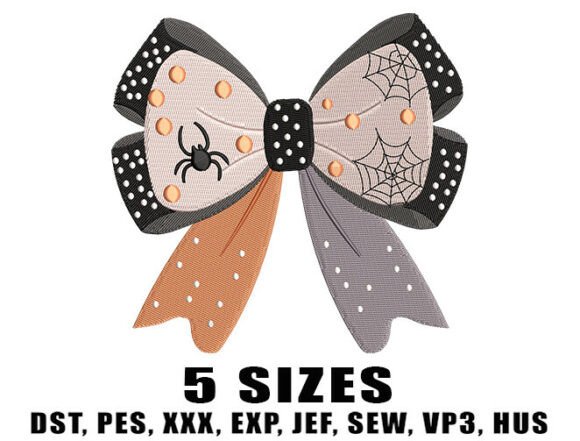
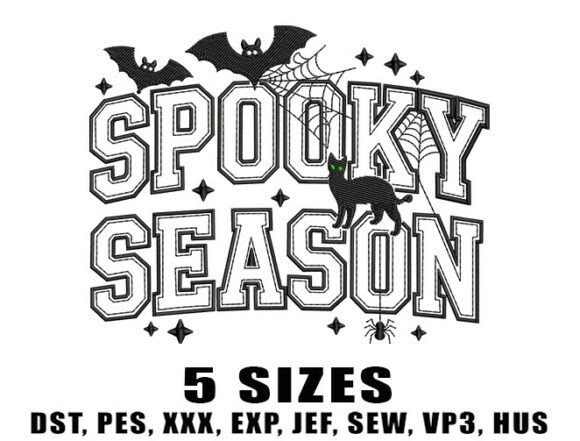
As an embroidery designer who’s built six seasonal collections for Etsy sellers and small-batch apparel brands, my first glance at Halloween Spider Bat Embroidery Designs landed right where it needed to: in the sweet spot between whimsy and eerie. The large text “Spooky Season” in black sets a bold, legible anchor—no squinting, no ambiguity. Bats, spider webs, and a black cat dangling playfully off the letters add layered storytelling without visual clutter. It’s not overly cute, not aggressively scary—it’s playful yet spooky, exactly as described. That tone translates beautifully across age groups and product types: teens love the attitude, parents appreciate the charm, and grandparents smile at the nostalgic nod to classic Halloween motifs.
Real-World Holiday Selling Power
This design thrives in high-intent holiday contexts. On sweatshirt embroidery, it reads cleanly at 6–8 inches wide—ideal for family matching sets (think coordinating toddler hoodies and adult crewnecks). As a tote bag design, it holds up on medium-weight canvas with strong visual impact at arm’s length—perfect for craft fairs or pop-up markets. For kitchen towel embroidery, the web and bat details stitch crisply on terry cloth when stabilized properly, turning everyday linens into giftable, Instagrammable home decor. I’ve seen similar layouts convert well in Etsy seller listings when paired with a simple printable mockup showing the design on a cream towel, charcoal sweatshirt, and natural jute trick-or-treat bag.
The “Spooky Season” phrase also supports bundling: pair it with smaller companion files (a single bat, a mini web, a paw-print cat) to create themed small shop product bundles. Customers love curated sets—they increase average order value and simplify decision fatigue during peak shopping windows. As a pillow cover centerpiece or embroidered patch for denim jackets, it adds instant personality without overwhelming the garment. And yes—it works on baby onesies and toddler aprons when scaled thoughtfully, making it versatile for handmade gift makers building inclusive seasonal lines.
Where to Use with Intention—Not Assumption
Don’t assume this design auto-fits every surface. Its charm lies in detail, so consider context carefully:
- Small hoop sizes: Avoid cramming the full layout into under 4×4 hoops—the lettering and hanging cat lose definition. Prioritize the phrase alone or isolate one motif for tiny applications like ornaments or sachets.
- Thick or textured fabric: Heavy kitchen towels and quilted pillow covers need extra stabilizer (cutaway + tear-away combo recommended) and slightly reduced stitch density to prevent puckering.
- Dark fabric: Black thread on black fabric won’t read. Test alternate thread colors—charcoal gray, deep plum, or even matte silver—on both light and dark grounds before production.
- Stretchy garments: Knits like raglan tees require lightweight stabilizer and slower machine speeds. Skip tight curves (like baseball caps) unless you’re confident in your digitizing adjustments.
- Metallic thread: While tempting for bats’ wings or web highlights, metallics can break or skip on dense areas. Reserve them for accents only—and always test stitch first.
Seasonal Appeal, Trust, and Emotional Resonance
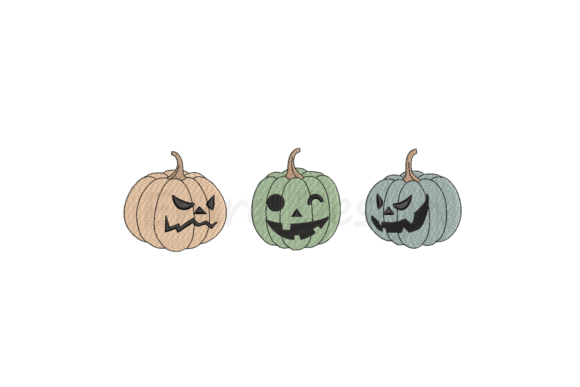
Halloween is emotionally charged: nostalgia, anticipation, community, and lighthearted thrill all shape purchase decisions. Halloween Spider Bat Embroidery Designs taps into that energy without leaning into cliché. It feels current—not dated, not generic. That builds customer trust: shoppers recognize craftsmanship and intention. When used consistently across a shop’s seasonal embroidery lineup (e.g., paired with a coordinating pumpkin or ghost file), it strengthens brand consistency and improves visual recognition in crowded feeds and marketplaces.
For personalized gift buyers, the phrase “Spooky Season” invites customization—add a name below, swap the cat for a pet portrait, or mirror the layout for sibling sets. That flexibility boosts perceived value. And because it’s legible, thematic, and scalable, it performs well in social media previews and email banners—driving engagement before the product even ships.
Practical Designer Notes Before You Stitch
Before adding Halloween Spider Bat Embroidery Designs to your holiday embroidery workflow, run these checks:
- Confirm hoop size: Know your minimum and ideal dimensions. If unstated in the file metadata, assume 5×7 as baseline and test scale-downs early.
- Review stitch density: Dense fills in webbing or letter interiors may require reduced density on plush fabrics—check the digital embroidery file preview for overlapping runs.
- Test thread colors on both light and dark fabric swatches. What reads as “black” on screen may look muddy on navy or heather gray.
- Choose stabilizer intentionally: Lightweight cutaway for knits, medium-weight tear-away for stable wovens, and fusible + tear-away for towels.
- Create realistic mockups: Use actual fabric photos—not just white backgrounds—to show how the design interacts with texture and drape.
- Inspect small details post-stitch: The cat’s tail, web junctions, and letter serifs are easy to miss on screen but critical for polish.
- Plan color palettes across products: coordinate thread shades with your shop’s seasonal palette (e.g., burnt orange + charcoal + cream) for cohesive listings.
- Verify commercial licensing: Ensure your digital embroidery file permits resale of finished products—especially important for commercial embroidery and handmade gift businesses.
This isn’t just another machine embroidery design. It’s a mood, a message, and a merchandising opportunity—all stitched into one thoughtful layout. When executed with attention to fabric, thread, and audience, Halloween Spider Bat Embroidery Designs doesn’t just mark the season—it makes people pause, smile, and reach for their cart.