Scary Shark Embroidery Design
A Craft Fair Designer’s First Look: Bold, Playful, and Instantly Recognizable
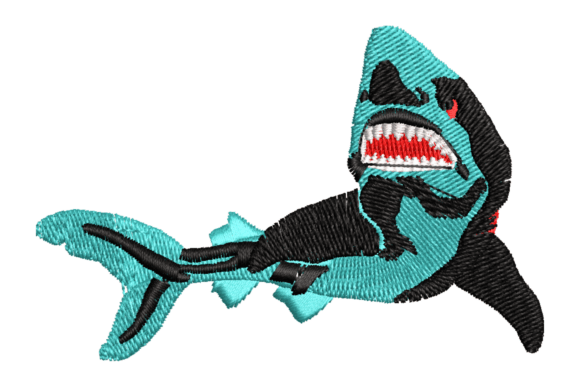
As an embroidery designer who’s prepped over 200 craft fair booths in the past decade, my first impression of Scary Shark Embroidery Design is immediate and positive: it’s bold without being aggressive, playful without sacrificing clarity, and cartoonish without feeling juvenile. The title “Scary Shark” sets up a gentle irony—the description confirms it’s a friendly shark—and that wink is exactly what makes it stand out on a crowded market table. It leans into cheerful modern whimsy—not farmhouse, not vintage, not minimalist—but fun-first. That tone translates directly to buyer engagement: kids stop, parents smile, grandparents chuckle, and teens grab their phones to snap a pic for Instagram. In a sea of florals and script monograms, this design cuts through with personality.
Where Scary Shark Embroidery Design Shines On Real Craft Fair Products
This isn’t just a digital embroidery file—it’s a conversation starter. Here’s how it performs across your most reliable handmade products:
- Tote bag design: Ideal as a large focal piece centered on the front panel. Holds visual weight at 5–6 inches wide and reads clearly from 6 feet away—critical when shoppers are scanning rows of booths.
- Apron embroidery: Works beautifully above the pocket or centered on the bib. Its rounded shapes and open negative space prevent stiffness, even on cotton twill.
- Tea towel embroidery: A standout on flour-sack or linen-look towels. The cartoon proportions scale well, and the friendly expression softens the kitchen’s functional vibe.
- Embroidered patch: Highly effective as a sew-on or iron-on accessory. Small-scale versions (2.5–3 inches) retain charm and readability—perfect for backpacks, denim jackets, or gift tags.
- Caps and fabric pouches: Use with caution—curved surfaces and tight seams demand precise hooping. Best applied on structured caps with flat front panels or gusseted pouches where the design sits fully on the front face.
- Pillow covers and market bags: Excellent repeat potential. Pair with coordinating ocean-themed motifs (starfish, waves, coral) to build a cohesive collection without visual fatigue.
What Makes This Design Sell—And What Requires Extra Care
What sells: Its instant emotional resonance. At craft fairs, people buy feelings first—nostalgia, joy, shared humor—and Scary Shark Embroidery Design delivers that in under two seconds. It photographs exceptionally well for Etsy listings and printable mockups: high contrast between thread colors and background fabric ensures crisp thumbnails, and its clean outlines hold up even in natural light booth photos.
What needs attention: While digitized for friendliness, watch for dense stitch areas around the eye or mouth—these can cause puckering on textured towels or thick canvas unless stabilized properly. Tiny teeth or gills may blur on dark fabric or at sub-3-inch sizes; always test on your target fabric before batch production. Also, avoid placing it too close to seams or hems—its rounded shape benefits from breathing room.
Real-World Production Notes Every Embroidery Business Owner Should Know
Before turning Scary Shark Embroidery Design into finished product inventory, run these checks:
- Test the embroidery file on scrap fabric matching your intended product—especially if using terry cloth, heavy duck canvas, or stretchy knits.
- Verify thread color contrast. Bright aqua or lemon yellow against navy or charcoal creates pop; pastel threads on white may read as flat in person.
- Review spacing and stitch density. Overly tight fills won’t breathe on lightweight tea towels; overly sparse outlines lose impact on tote bags.
- Confirm hoop size compatibility. If your machine requires re-hooping mid-design, factor in alignment time per piece—this affects your craft fair prep timeline and per-unit cost.
- Choose stabilizer wisely: cutaway for caps and pouches, tear-away for tea towels and pillow covers, and fusible + tear-away combo for lightweight totes.
- Create at least one real mockup—not just a digital preview. Hold it in hand, walk it across your booth floor, see how it catches light.
- Compare fabric colors side-by-side. A “friendly” shark on olive green reads earthy and calm; on hot pink, it becomes energetic and bold. Let your brand voice guide the pairing.
- Confirm commercial licensing status. As an Etsy seller or small shop product maker, you need explicit permission to sell finished goods—not just personal-use rights.
Why This Fish-Themed Embroidery Design Strengthens Your Booth & Brand
In a saturated handmade market, consistency builds trust—and Scary Shark Embroidery Design supports that. It’s versatile enough to anchor a beach-themed mini-collection (think: shark + wave + seashell trio), yet distinct enough to stand alone as a signature item. When displayed across multiple product types—tote, apron, patch, pillow—it reinforces your shop’s creative point of view: approachable, detail-aware, and audience-smart. Customers remember how a design made them feel—not just what it looks like—and this one consistently sparks delight. That emotional hook lifts perceived value: shoppers pay more for handmade products that tell a story, and this shark tells one in under three seconds.
For digital sellers, it’s a strong addition to your design assets library—especially paired with seasonal variations (shark with sunglasses for summer, shark holding a pumpkin for fall). For Cricut and hybrid crafters, it bridges machine embroidery and heat-transfer workflows when digitized cleanly. And for boutique makers building curated collections, it adds lighthearted contrast to more refined botanical or typography-based offerings.
Bottom line? Scary Shark Embroidery Design isn’t just another fish embroidery—it’s a smart, scalable, booth-ready asset. When executed with attention to fabric, stabilizer, and context, it transforms everyday handmade products into memorable craft fair keepsakes.