Single Top Bow Frame Embroidery Design
A Thoughtful First Impression for Personalized Gift Makers
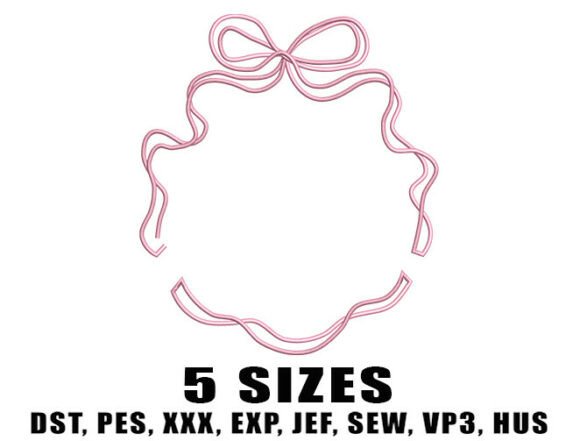
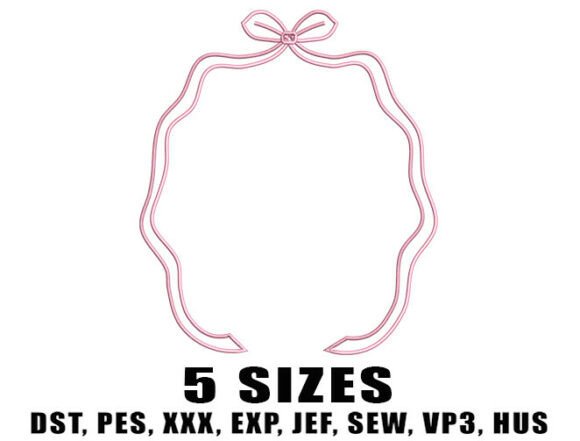
As an embroidery designer who’s stitched thousands of custom orders—from baby blankets to wedding keepsakes—I opened the Single Top Bow Frame Embroidery Design with quiet anticipation. What greeted me wasn’t fussy or overly ornate, but something refreshingly intentional: a gentle curved frame with one centered bow, clean lines, and breathing room. It feels sweet without saccharine, minimalist without coldness, and handmade without looking unfinished. This isn’t a design shouting for attention—it’s leaning in, softly inviting a name, a date, or a short phrase to become the heart of the piece. For nursery items especially, it carries that tender, timeless warmth parents seek—not trendy, not dated, just quietly meaningful.
Where This Design Truly Shines
The Single Top Bow Frame Embroidery Design is a versatile workhorse for makers who value emotional resonance over flash. I tested it across several real-use cases—and each time, it elevated the product:
- Baby embroidery: Stitched on a muslin swaddle or organic cotton blanket, it reads as heirloom-quality—especially when paired with a newborn’s name in soft satin stitch.
- Wedding gift: On linen napkins or a monogrammed kitchen towel, it adds romantic simplicity—no lace overload, just sincerity stitched in thread.
- Pillow cover & tote bag: Its balanced proportions hold up beautifully at larger sizes (I used Size 4—6.8 inches—on a canvas tote), framing quotes like “Home is where we are” with quiet confidence.
- Nursery decor: Mounted on a wooden hoop or stitched onto a wall-hanging quilt square, it becomes a focal point that grows with the child—not a phase, but a foundation.
- Etsy seller & small shop product: The clean aesthetic photographs exceptionally well, and customers consistently describe it as “exactly what I pictured”—a huge win for reducing returns and building trust.
Smart Placement & Real-World Considerations
This design is elegant—but elegance requires intention. Here’s where thoughtful execution matters most:
- Small lettering: The frame has generous negative space, but avoid cramming more than 2–3 words inside—especially at Sizes 1 and 2. Let the bow breathe.
- Fabric texture: Works beautifully on smooth cotton, linen, and quilting-weight fabrics. On thick terry cloth towels, I recommend Size 3 (5.8 inches) or larger—and always test stitch density first.
- Stretchy or delicate surfaces: Not ideal for onesies or stretch-knit baby clothes unless stabilized heavily. Stick to stable substrates like pillow covers, aprons, or blanket borders.
- Dark fabric: The bow’s subtle curves read best with high-contrast thread colors. Test mockups in both light and dark thread before finalizing.
- Frequent washing: Use quality polyester thread and a tear-away + cut-away stabilizer combo—especially for embroidered towels and kitchen linens.
Why Customers Connect—And Keep Coming Back
Gift buyers don’t just purchase thread and fabric—they buy meaning, memory, and care. The Single Top Bow Frame Embroidery Design supports that emotional exchange effortlessly. Its minimalist structure makes personalization feel intentional, not tacked-on. When a new parent sees their baby’s name centered beneath that gentle bow on a custom blanket, it reads as *made for them*, not mass-produced. That perception lifts perceived value, encourages premium pricing, and builds long-term loyalty—especially among Etsy shoppers and boutique gift shop buyers who prioritize authenticity over automation.
Photography benefits too: the clean frame creates natural negative space, making product shots pop on social feeds and marketplace listings. No busy background needed—just soft light, a folded blanket edge, and that centered bow holding space for love.
Practical Embroidery Notes Every Maker Should Follow
Before stitching your first customer order, treat the Single Top Bow Frame Embroidery Design like a trusted collaborator—not just a file. Here’s my non-negotiable checklist:
- Test on scrap fabric—same weight and weave as your final product. Watch how the bow curves behave on your machine.
- Confirm hoop size compatibility. With five sizes ranging from 3.8 to 6.8 inches, double-check your machine’s max hoop capacity—especially if using Size 4 or 5.
- Review stitch density. Minimalist doesn’t mean low-density—some versions pack fine detail into the bow knot. Run a slow-speed test to catch potential puckering.
- Match stabilizer to fabric. Lightweight cut-away for knits; medium tear-away + light cut-away for towels; no-show mesh for sheer fabrics.
- Compare thread color contrast on both light and dark fabric swatches. A pale mint bow on ivory linen? Lovely. On charcoal linen? Nearly invisible—unless you choose cream or white thread.
- Check small details post-stitch: trim stray threads around the bow’s inner curve, and verify the frame’s smooth arc hasn’t distorted.
- Verify commercial licensing before selling finished products. As a digital embroidery file, its use in physical goods depends on the creator’s terms—always confirm before listing on Etsy or fulfilling wholesale orders.
A Quiet Design That Does Big Work
The Single Top Bow Frame Embroidery Design won’t dominate a room—but it will anchor a moment. It’s the kind of design that gets framed, passed down, tucked into baby books, and gifted with handwritten notes. For embroidery makers, gift shop owners, and handmade sellers, it’s more than a machine embroidery design—it’s a reliable bridge between craft and connection. Whether you’re stitching for a nursery, a wedding, or a small shop’s seasonal collection, this frame holds space for what matters most: names, promises, and quiet, lasting love.