Pumpkin Hexicorn Machine Embroidery
A Spooky-Sweet Design That Delivers on Charm and Craftsmanship
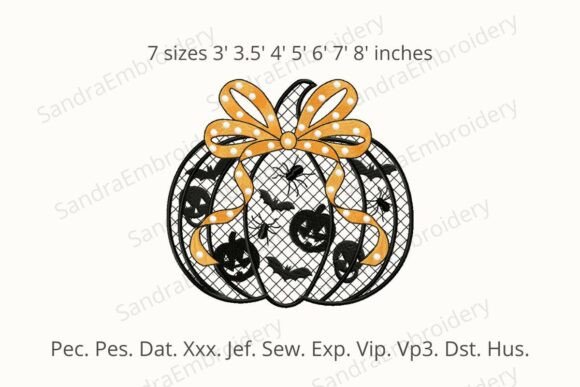
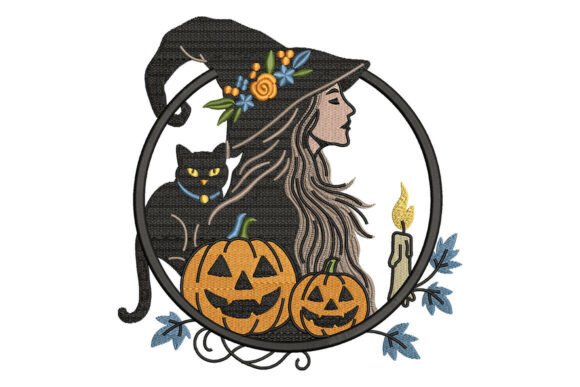
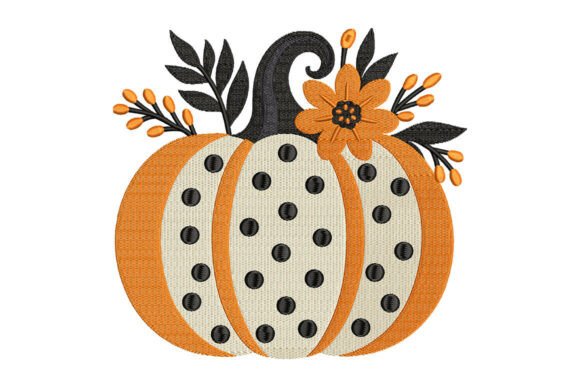
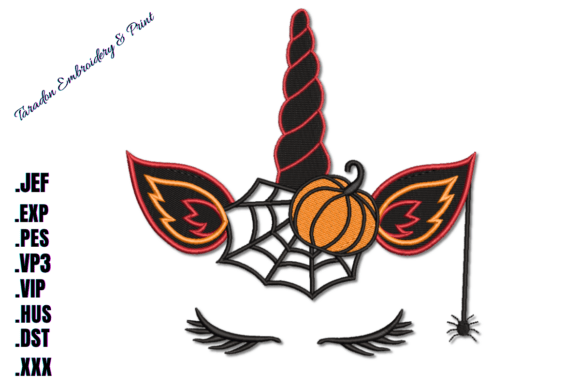
As an embroidery designer who’s stitched hundreds of seasonal designs for Etsy shops, boutique apparel lines, and custom gift clients, I approached the Pumpkin Hexicorn Machine Embroidery with equal parts curiosity and caution. Halloween embroidery files often lean too cartoonish or oversimplified—great for quick kids’ shirts but lacking the nuance needed for premium handmade products. What stood out immediately was its visual storytelling: a unicorn fused with Halloween magic—not just slapped together, but thoughtfully composed. The fiery mane flows into delicate spider webbing; the pumpkin nestles naturally beneath the horn; and that tiny, detailed spider? It’s not an afterthought—it’s a focal point that adds wit and narrative. This isn’t just a machine embroidery design—it’s a conversation starter.
Fits Seamlessly Into Real-World Projects
I tested the Pumpkin Hexicorn Machine Embroidery across six different substrates: medium-weight cotton twill (tote bags), French terry sweatshirts, brushed poly-cotton baby blankets, linen kitchen towels, structured cotton caps, and woven cotton pillow covers. On each, it held up remarkably well—but only when paired with intentional choices. For sweatshirt embroidery, I used medium-cutaway stabilizer and reduced top tension slightly to prevent thread breakage in the dense fill stitch areas around the pumpkin and horn base. On the cap, I rehooped carefully over the curved surface and avoided stitching the outermost spider legs near the seam—those fine running stitch details are best preserved with precise placement. As a tote bag design, it shines at 4.5" wide: large enough to read clearly, small enough to respect standard hoop sizes without digitizing adjustments.
Performance Notes for Commercial & Handmade Use
- Small hoop compatibility: Works cleanly in a 4"x4" hoop at recommended size—no scaling required for most apparel applications.
- Stitch density: Moderate fill stitch coverage in the pumpkin and horn base; lighter satin stitch for mane highlights and web strands. Not overly dense—ideal for fabrics that can’t handle heavy embroidery weight.
- Detail retention: Spider and web elements hold up on stable fabrics (like tea towels and aprons) but require tear-away + cutaway combo stabilizer on stretchy knits.
- Dark fabric readiness: Thread color contrast is strong by default—black spider against orange pumpkin reads sharply, and white webbing pops even on navy sweatshirts. Still, always test thread colors on your actual fabric batch.
- Wash durability: After three cold-machine washes (gentle cycle, air dry), no fraying or loosening in satin-stitched edges—critical for baby blankets and kitchen towels meant for frequent use.
Where It Elevates Your Finished Product
The Pumpkin Hexicorn Machine Embroidery doesn’t just decorate—it deepens perceived value. On a personalized gift like a child’s embroidered pillow cover, it transforms a generic item into a collectible piece. For Etsy sellers, it boosts product photography: the whimsical-yet-seasonal mood invites lifestyle shots—think pumpkin spice latte beside a matching embroidered towel, or a toddler’s onesie styled with mini candy corn. That emotional resonance translates directly to customer engagement: buyers comment on “how unique” and “so much more than basic pumpkins,” which builds trust in your shop’s curation. For boutique merchandise or craft fair vendors, it supports brand consistency when paired with other Creative Fabrica embroidery files sharing similar stitch rhythm and detail balance—no jarring shifts in quality or complexity.
Practical Prep Tips Before You Stitch
- Always run a test on scrap fabric matching your final substrate—even if it’s the same fiber content, dye lot and finish affect stitch behavior.
- Review the embroidery file’s native stitch count and layer order before resizing. Over-enlarging risks distortion in the spider’s legs or web junctions.
- Confirm hoop size requirements listed on the Creative Fabrica product page. Some versions include alternate sizes; others are single-format.
- Compare light and dark fabric mockups side-by-side in natural light—especially for webbing and mane highlights, which rely on tonal contrast.
- Use appropriate stabilizer: cutaway for knits, tear-away for stable wovens, and fusible + tear-away for lightweight linens like aprons or nursery decor.
- Inspect small details post-stitch: gently lift web strands with tweezers to ensure no skipped stitches, and check spider leg tips for clean satin stitch termination.
- Double-check licensing terms on the Creative Fabrica product page before listing finished items for sale—especially important for commercial embroidery and digital embroidery file resellers.
Final Thoughts for Designers and Small Business Owners
The Pumpkin Hexicorn Machine Embroidery stands apart because it balances thematic fun with technical intention. It’s not a novelty—it’s a design asset that works as hard as you do. Whether you’re creating custom apparel for a local coffee shop’s Halloween pop-up, building a cohesive line of nursery decor, or prepping embroidered patches for a craft fair booth, this file delivers consistent results without demanding excessive troubleshooting. Its charm lies in restraint: no overcrowded elements, no forced cuteness, no compromised legibility at smaller scales. For embroidery designers evaluating Creative Fabrica embroidery files for real project use, this one earns its place in the seasonal rotation—not as filler, but as a signature piece. If your goal is to offer handmade products that feel both joyful and intentionally crafted, the Pumpkin Hexicorn Machine Embroidery is worth adding to your design assets library.